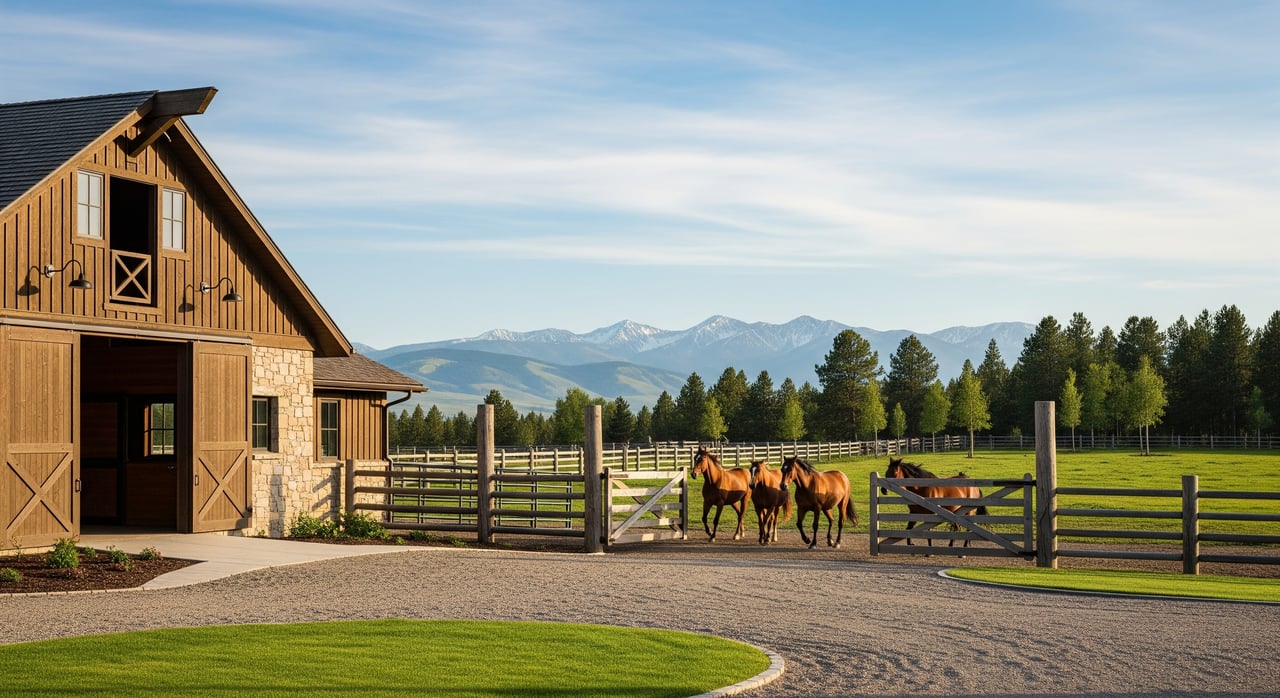
Bringing horses or a small herd to your new Bozeman ranch is exciting, but the move itself takes planning. You want the animals to arrive healthy, legal, and settled, without last‑minute paperwork surprises. In this guide, you’ll learn the required documents, transport best practices, local considerations, and a simple timeline to keep everything on track. Let’s dive in.
Montana entry paperwork
Health certificates and permits
Montana requires a Certificate of Veterinary Inspection (CVI) for animals entering the state. The CVI must travel with the animals and is issued by an accredited veterinarian in the state of origin. Some species also need import permits. For the latest rules and permit guidance, review the Montana Department of Livestock’s inspection requirements and contact their Animal Health team as you plan your move.
Review MDOL inspection requirements
Coggins for equines
All horses, mules, and donkeys entering Montana must have a negative Equine Infectious Anemia (EIA/Coggins) test within the previous 12 months, documented on the CVI with identifying details. Certificates with pending EIA results are not accepted. Confirm timing with your vet so the CVI and test dates are valid through your arrival.
See Montana’s equid entry rule (ARM 32.3.216)
Brand inspections and travel docs
Montana requires brand inspections for cattle and horses before crossing county lines, leaving the state, change of ownership, sale at auction, or before slaughter. Inspections occur in daylight and the paperwork must travel with the animals. MDOL sets fees and offers options like annual and lifetime horse inspections, so build time into your schedule for the right certificate.
Other livestock rules
Cattle, sheep, bison, swine, and goats can have added requirements such as official ID, testing, vaccinations, or transport permits. These vary with species and origin. Contact MDOL Animal Health for the exact list that applies to your animals and route.
Transport and animal welfare
Choose the right hauler
Decide whether to hire a professional livestock transporter or haul the animals yourself. If you hire out, confirm experience, insurance, clean and well‑ventilated trailers, and emergency protocols. For long interstate moves or multiple animals, specialized haulers are often worth it.
Trailer and loading basics
Use a clean, well‑maintained trailer with secure partitions, good ventilation, and proper lighting. Tie with a quick‑release and allow head movement. Load and unload calmly, avoid electric prods, and always untie before lowering ramps or gates.
Rest, water, and feed
Horses often do not drink while the vehicle is moving. On long hauls, plan stops so you can offer water about every four hours and allow 20 to 30 minutes of quiet standing time. Bring familiar hay to avoid abrupt diet changes and consider electrolytes if your vet recommends them.
Scientific overview on transport and hydration
Medication and fitness
Only use sedation under veterinary guidance. Routine sedation can raise the risk of injury or complications during transport. Do not haul animals that are unfit for travel, including those with fever, open wounds, or acute illness.
Guidance on sedation during transport
Bozeman local factors
City vs. county rules
Whether you can keep livestock immediately depends on location. Parcels inside Bozeman city limits can have different standards than properties in unincorporated Gallatin County. Before you unload, contact the City of Bozeman Planning and Gallatin County Planning & Zoning to confirm what is allowed on your parcel.
Prep your property
Before the trailer arrives, make sure the basics are ready:
- Quarantine: Set up a temporary isolation pen or stall to observe new arrivals for several days.
- Water and feed: Ensure reliable water year‑round, plus covered shelter and hay storage. Bring 1 to 2 weeks of the animals’ regular hay.
- Fencing and access: Use horse‑safe fencing, check gates and corrals, and confirm driveway width and overhead clearance for trailers.
- Housing: Recommended stall sizes and turnout depend on use and management. A 12-by-12 stall is common for riding horses.
Local vets and stabling
Line up veterinary support before you move. In the Bozeman area, options include equine and mixed‑animal clinics that provide ambulatory care and emergency services. For example, Montana Equine serves the region with a team of equine specialists.
Explore a regional equine team
If you need temporary stalls on arrival, the Gallatin County Fairgrounds often hosts events and offers short‑term stabling. Call ahead to confirm availability and rules.
Gallatin County Fairgrounds info
Seasons and wildlife
Plan for winter conditions common in the Gallatin Valley. Stock‑tank heaters, de‑icing tools, and extra daylight for loading can make a big difference. In rural areas, consider perimeter fencing and livestock‑safe shelter, and discuss wildlife disease risks with your veterinarian.
Your move timeline
- 4 to 6 weeks out:
- Confirm species‑specific entry rules and brand inspection needs with MDOL.
- Schedule vet appointments for Coggins and any required tests.
- Book a transporter or prep your trailer and route.
- Verify zoning for your parcel and reserve off‑site stalls if needed.
- 2 to 3 weeks out:
- Have your veterinarian issue the CVI within the valid time window.
- Complete any brand inspections or transport permits.
- Stage hay, water solutions, and a quarantine pen at the property.
- Day of travel:
- Carry original CVIs, negative Coggins, brand papers, and bills of sale.
- Load familiar hay, water containers, and a basic first‑aid kit.
- On arrival:
- Move animals into quarantine, offer familiar feed, and monitor temperature twice daily for several days. Call a local vet if you spot any issues.
Essential documents checklist
- Original CVI for each species, plus any import permits
- Negative EIA/Coggins certificate for each equid
- Brand inspection certificates and bill of sale if applicable
- Contact details for MDOL Animal Health/Brands and your local vet
- Photos or identifying marks and registration papers, if available
Final thoughts
Moving animals to a Bozeman ranch is straightforward when you plan the paperwork early, prioritize animal comfort, and prepare the property before the trailer pulls in. With the right team and timeline, your horses and livestock can settle in smoothly and start thriving on day one. If you are evaluating ranch properties or refining your livestock plan in the Gallatin Valley, connect with Western Ranch Brokers to align land features, facilities, and water resources with your goals.
FAQs
How far in advance should I do a Coggins test for horses entering Montana?
- Montana requires a negative EIA/Coggins within the previous 12 months, and your CVI and test dates must align with travel timing. Confirm exact timing with your veterinarian and MDOL.
Do I still need a Montana brand inspection if I already have a registered brand?
- Yes. Brand inspections are required before crossing county lines, leaving the state, change of ownership, or sale at auction, and the documentation must travel with the animals.
Is it safe to sedate a horse for a long interstate haul?
- Only under veterinary direction. Routine sedation is discouraged because it can increase the risk of injury and complications during transport.
Can I keep livestock on property inside Bozeman city limits?
- It depends on your parcel and zoning. Contact the City of Bozeman Planning and Gallatin County Planning & Zoning to verify what is allowed before you move animals.
What documents must travel with my livestock into Montana?
- Carry the original CVI, any needed import permits, brand inspection certificates, and for equines, proof of a negative Coggins test.
Where can I find short‑term stalls when I arrive in Bozeman?
- The Gallatin County Fairgrounds often has stall capacity for events and short‑term needs. Reserve in advance and confirm their rules.